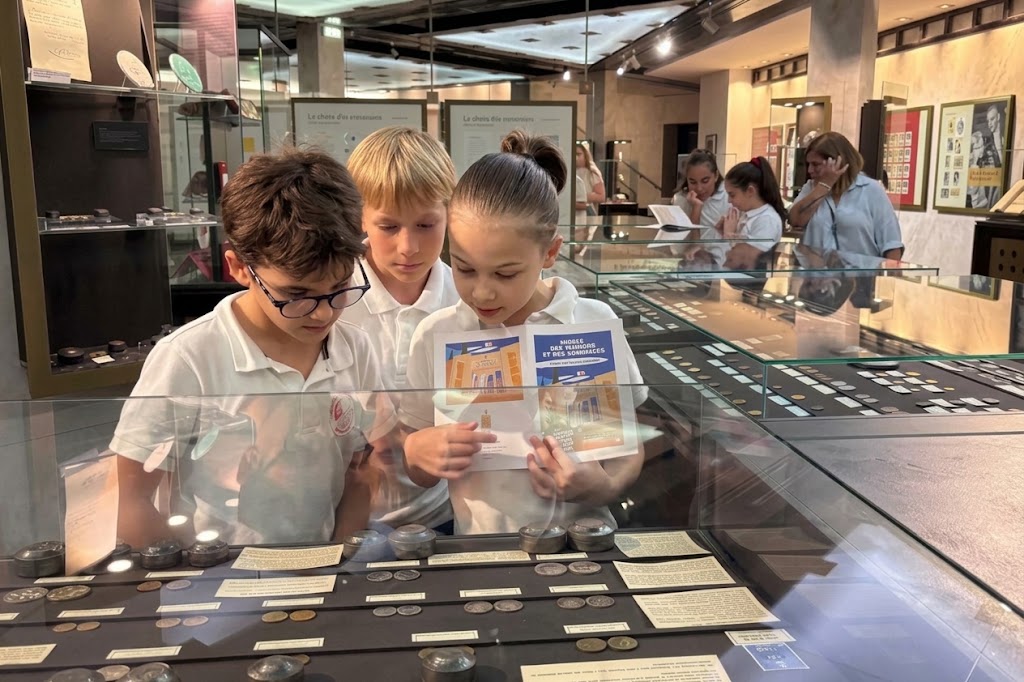
The Musée des Timbres et des Monnaies de Monaco has launched its first activity booklet for young visitors, turning a traditional museum tour into a treasure hunt through the Principality’s past.
The initiative, aimed mainly at children aged 8 to 15, asks visitors to search the museum’s displays for clues and answers. Children as young as six can take part with an adult, museum director Flavie Bonnin-Novaretti told regional French daily Nice-Matin in a report published on Oct. 3.
Tonio, the booklet’s fictional guide, appears throughout the museum, hidden among exhibition panels. Young visitors must find him before they can uncover the information needed to answer questions about Monaco’s stamps, coins and history.
The questions include when Monaco issued its first postage stamp and how the tiny Mediterranean principality secured the right to issue banknotes, the newspaper reported.
Those who complete the challenge receive a surprise at the end. Working in small teams, they moved through the galleries looking for Tonio, comparing findings and puzzling over unfamiliar historical terms.The idea is simple: instead of being told about the collection, children have to investigate it.
That approach also reflects a broader concern for the museum. Philately — the collecting and study of stamps — remains strong in parts of the United States and Asia but has been losing popularity in Europe, Bonnin-Novaretti told Nice-Matin.
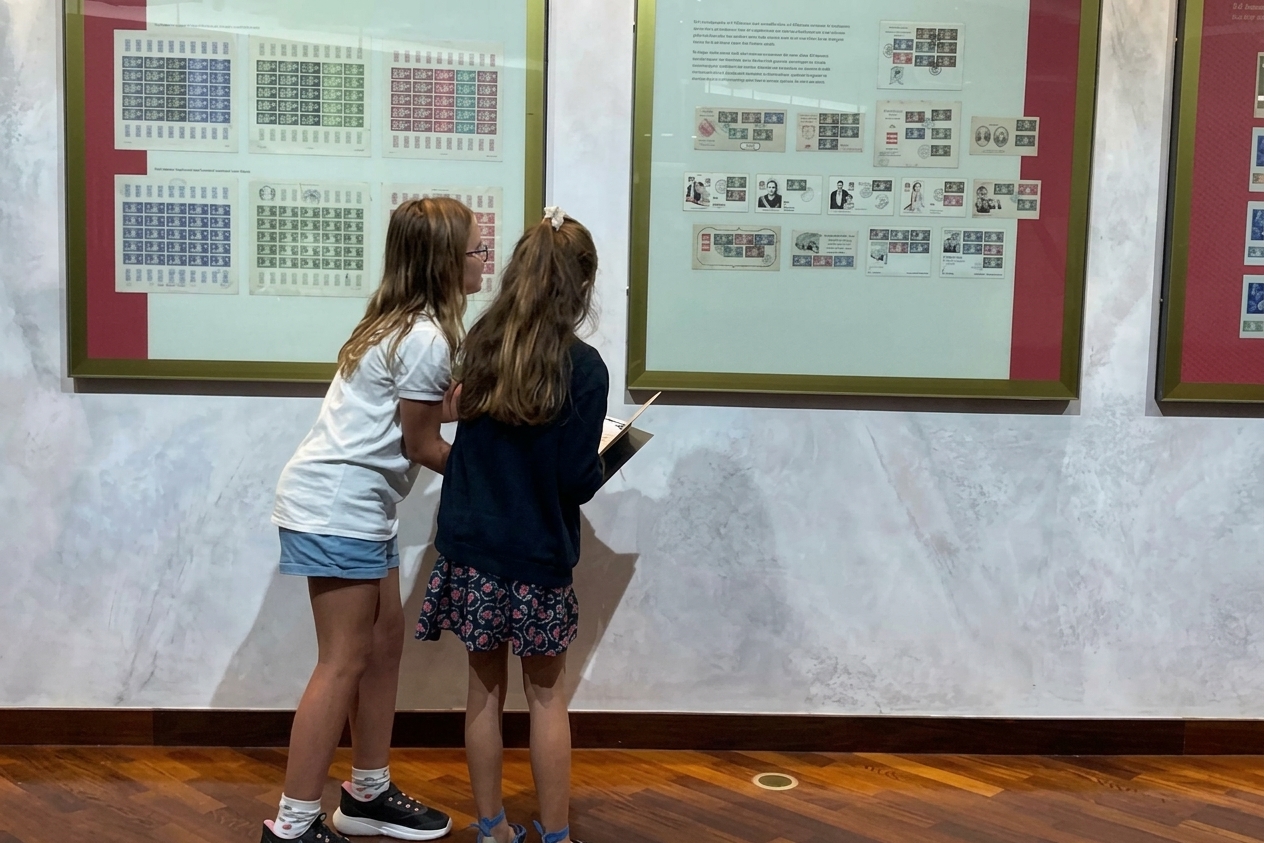
You might also like: Young collectors catch philately fever
The museum hopes the booklet can help bridge that gap by making a centuries-old collection feel more accessible to children accustomed to interactive digital experiences.
The programme is expected to grow, with the museum planning to work with more schools and summer camps in Monaco.
The stakes extend beyond a single museum activity. The global philately market is estimated at more than $4.02 billion, while the worldwide coin-collecting market is valued at about $12.7 billion, with more than 45 million collectors.
Monaco’s collection offers a compact record of the country’s development. Its first coin was minted in 1640, while its first postage stamp appeared in 1885.
Such objects can tell a story far larger than their size. Coins reflect a state’s authority and economic life, while stamps can show how a country presents itself to the outside world.
That idea is central to the museum’s new educational effort. In an age of smartphones and instant communication, small pieces of paper and metal can seem remote from daily life. Yet they preserve traces of Monaco’s rulers, institutions, economy and changing identity. The booklet seeks to make those traces visible.
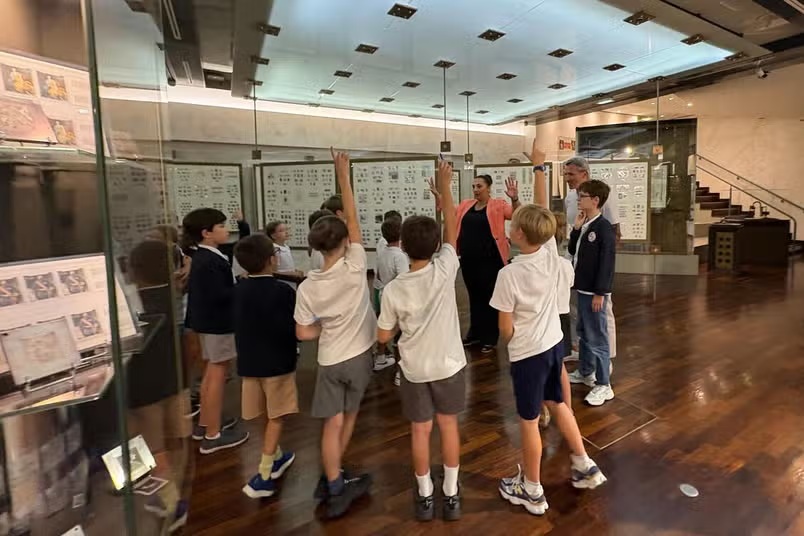
For the museum, the goal is not simply to send children home having completed a treasure hunt. It is to have them leave understanding why these modest objects matter.
In Monaco, stamps and coins are not just collectors’ pieces. They are fragments of a national story — and Tonio is now inviting children to find the pieces and put that story together themselves